
RCS Messaging: What Is It, and Why Does It Matter?
Have you ever wished your texting app could do more? Enter RCS messaging — a fundamental shift in how we communicate via text, promising a richer, more interactive experience for everyone.
Sean
What Exactly is RCS Messaging? A Clearer Picture of Modern Communication
At its core, RCS stands for Rich Communication Services. Think of it as the evolution of SMS (Short Message Service) and MMS messages (Multimedia Messaging Service). For decades, SMS messages have been the bedrock of mobile communication – simple, reliable, but undeniably basic. MMS added the ability to send pictures and short videos, but often with frustrating quality limitations and file size restrictions. RCS sweeps these limitations away, bringing smartphone-era capabilities to your default texting app.
Imagine texting as a journey. SMS was like a postcard – you could send a short message and maybe a tiny, low-resolution photo. MMS was a step up, perhaps a slightly larger photo, but still clunky and slow. RCS, on the other hand, is like a full-blown interactive website delivered straight to your message thread. It maintains the universality and simplicity of text messages, tied to your phone number, but injects it with the power of modern internet-based communication.
More Than Just SMS: What Does "Rich" Mean Here?
The "rich" in Rich Communication Services isn't just marketing fluff; it signifies a dramatic expansion of capabilities, introducing a host of new RCS features. With RCS, you get:
- High-Quality Media Sharing: Send full-resolution photos and videos without them being compressed into pixelated oblivion. Share GIFs, emojis, audio messages, and even documents effortlessly.
- Read Receipts and Typing Indicators: Just like iMessage or WhatsApp, you'll know when your message has been delivered, read, and when the other person is typing a reply. No more guessing games!
- Enhanced Group Chats: Finally, group chats that function smoothly within your native messaging app. Name groups, add/remove participants, and enjoy a more cohesive conversation experience.
- Location Sharing: Easily share your real-time location with friends and family.
- Larger Message Sizes: Say goodbye to character limits or broken-up messages.
- Improved Security (with specific implementations): Messages can be end-to-end encrypted, offering a more private communication channel.
Essentially, RCS closes the feature gap between your standard SMS app and popular over-the-top (OTT) messaging apps like WhatsApp, Telegram, Facebook Messenger, or iMessage, but crucially, it does so within the universal framework of carrier-based messaging.
A Brief History: From SMS to the Future
To truly appreciate RCS, we need a brief trip down memory lane. SMS was born in the early 1990s, a technological marvel for its time. It was designed for short, text-only messages, and it proliferated globally. As phones evolved, so did our desire to send more than just text. MMS emerged in the early 2000s, attempting to bridge the gap by allowing multimedia. However, it was always a bit of a Frankenstein's monster – clunky, expensive, and often unreliable across different carriers and devices.
Then came the smartphone era, and with it, the rise of data-driven messaging apps. Apple's iMessage, launched in 2011, created a seamless, rich messaging experience for iPhone users, effectively showing the world what was possible. WhatsApp, WeChat, and others built similar experiences across various platforms. The problem? These apps were walled gardens. If you weren't on the same platform or using the same app, you reverted to the antiquated SMS/MMS.
Recognizing this fragmented landscape, the GSMA (the global association of mobile operators) developed RCS in the mid-2000s as a way to standardize and modernize carrier-based messaging. The goal was simple: create a universal, feature-rich messaging standard that could compete with OTT apps and provide a consistent experience across all devices and networks. It's been a long road, with various attempts at implementation, but Google's recent aggressive push, particularly with its "Chat" initiative, has truly brought RCS to the forefront.
Why Should You Care About RCS? Unpacking the Impact
RCS isn't just another tech acronym; it represents a significant upgrade that impacts both your personal communication and how you interact with businesses.
For Individuals: A Smoother, Richer Chat Experience
As an individual, RCS means saying goodbye to the "green bubble" inferiority complex (for Android users, at least). It means your native messaging app finally feels modern. No more awkwardly low-res photos of your kids' school play sent to your family. No more struggling to keep track of a group chat where half the messages are delayed or missing.
Imagine this: you're planning a dinner with friends. Instead of switching to WhatsApp to share the restaurant's location, sending a high-res photo of the menu, or seeing that your friend is typing a reply, you can do it all directly in your phone's default messaging app. If you're an Android user, it means your conversations with other Android phone users will finally have the fluidity and feature set you've come to expect from other modern messaging platforms. If Apple eventually adopts it, it means universal richness across all smartphone users. It's about convenience, consistency, and a far more enjoyable texting experience.
For Businesses: Revolutionizing Customer Engagement
This is where RCS truly shines as a game-changer. For businesses, SMS has always been a powerful, ubiquitous tool for reaching customers, but its limitations were severe. Imagine trying to explain complex product features or offer interactive support through plain text.
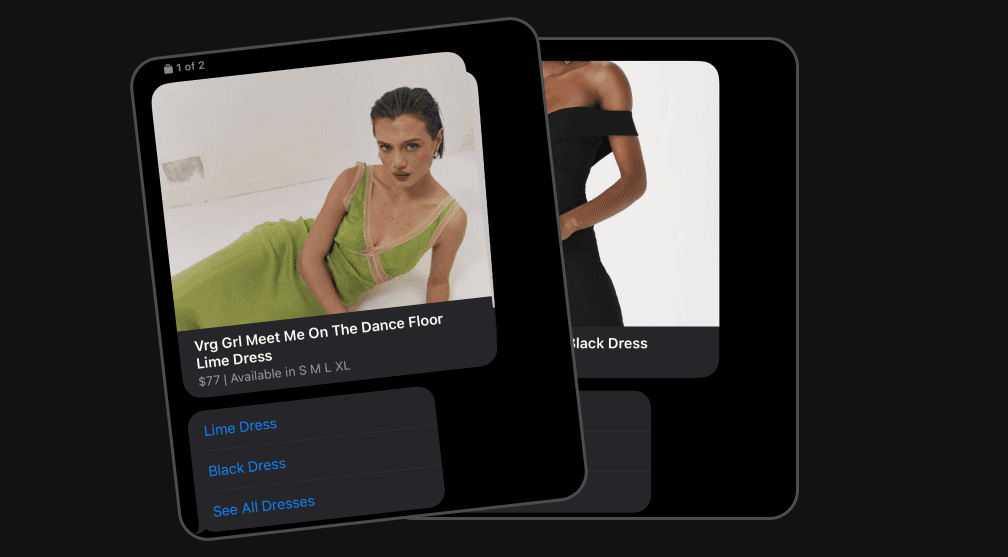
RCS transforms this. It allows businesses to create interactive, branded messaging experiences directly within the customer's native messaging app. Think about these possibilities:
- Interactive Customer Service: Instead of waiting on hold, you could message a bank, and they could send you a carousel of options to choose from: "Check balance," "Transfer funds," "Speak to a representative." You tap your choice, and the conversation flows naturally, with rich media and quick replies.
- Enhanced Order Updates: A delivery service could send you real-time updates with a map showing your driver's location, a photo of your package, and a button to reschedule delivery if needed – all in one interactive message.
- Personalized Marketing: Retailers could send personalized product recommendations with high-quality images and direct links to purchase, all within a conversational interface. Imagine getting a message from your favorite clothing store with a new collection, and you can browse items and even make a purchase without leaving your messaging app.
- Boarding Passes and Tickets: Airlines could send your boarding pass as an RCS message, complete with a QR code, gate information, and real-time flight updates.
- Rich Notifications: Instead of a generic text alert, a utility company could send you an RCS message with your bill, a clear breakdown of charges, and a button to pay directly.
RCS offers businesses a direct, engaging, and personal channel to connect with customers that is far more powerful than traditional SMS and avoids the need for customers to download yet another app. It's about moving from basic notifications to rich, two-way conversations that drive action and improve satisfaction.
How Does RCS Messaging Work? The Technical Backbone
Understanding the technical underpinnings of RCS helps demystify its operation and appreciate the collaborative effort required for its success.
The Role of Carriers and Google
Unlike WhatsApp or iMessage, which primarily rely on internet data and their proprietary servers, RCS operates within the traditional mobile network infrastructure, leveraging the cellular network but with a modern twist. When you send an RCS message, it doesn't just go through your carrier's old SMS/MMS gateways, but also utilizes your data plan. Instead, it leverages a combination of your mobile data or Wi-Fi connection and specialized RCS servers.
Initially, individual mobile carriers were responsible for implementing and deploying RCS on their networks, depending on whether the carrier supports it. This led to fragmented adoption, as each carrier had its own timeline and standards. This is where Google stepped in. Recognizing the need for universal interoperability and a consistent experience, Google took a proactive role. They developed their own RCS backend services, often referred to as "Jibe Mobile" technology, and offered it to carriers.
Today, in many regions, Google directly provides RCS services to Android users through the Google Messages app, bypassing the need for individual carrier deployments (though carriers can still integrate with Google's platform or run their own). When you enable "Chat features" in Google Messages, you're essentially connecting to Google's RCS infrastructure. This ensures that as long as both parties have Google Messages with Chat features enabled and an internet connection, they can enjoy the full RCS experience, regardless of their specific mobile carrier. If an internet connection isn't available, or if the recipient doesn't have RCS, the message seamlessly falls back to SMS/MMS.
The Universal Profile: Bringing Everyone Together
One of the biggest hurdles for any new communication standard is ensuring everyone can talk to each other. This is precisely what the "Universal Profile" for RCS addresses. Developed by the GSMA, the Universal Profile is a standardized set of features and technical specifications that all implementers of RCS should adhere to.
Think of it like a common language. Before the Universal Profile, different carriers or manufacturers might implement RCS slightly differently, leading to compatibility issues. The Universal Profile ensures that regardless of which carrier or device you're using, as long as devices support RCS via the Universal Profile, your RCS messages will be delivered and displayed consistently. It defines everything from how read receipts work to how group chats are managed and how business messages are structured. This standardization is crucial for widespread adoption and seamless interoperability across the globe, ensuring that the "rich" experience isn't confined to a specific network or device.
The Current State of RCS Adoption: Who's On Board?
RCS has been a slow burn, but its momentum has significantly increased in recent years.
Google's Push: Android's Answer to iMessage
Google has been the primary driving force behind the global rollout of RCS, especially for Android users. Through its Google Messages app, Google has made RCS available to billions of Android users worldwide, often bypassing carrier dependencies. For many Android users, simply updating their Google Messages app and enabling "Chat features" (or learning how to turn on RCS) connects them to the RCS network.
This aggressive push is largely seen as Google's answer to Apple's iMessage. While iMessage provides a rich experience between iPhones, it leaves Android users with the antiquated SMS/MMS when texting iPhones. Google's goal is to ensure that Android users have a similarly rich experience when texting anyone (provided the recipient also has RCS enabled). This helps level the playing field and reduces the communication friction that has long plagued Android users.
Apple's Stance: A Holdout No More?
For years, Apple remained the biggest holdout, steadfastly refusing to adopt RCS for iMessage, effectively maintaining its "blue bubble" advantage. Their argument was often rooted in security and privacy concerns, stating that SMS/MMS is inherently less secure and that integrating RCS would compromise iMessage's end-to-end encryption. However, many saw this as a strategic move to lock users into their ecosystem.
In a surprising turn of events, in November 2023, Apple announced that it would adopt the RCS Universal Profile for its Messages app starting in late 2024. This is a monumental shift. While iMessage-to-iMessage chats will likely remain proprietary (the "blue bubble" experience), iPhone users will finally be able to send and receive rich media, read receipts, typing indicators, and potentially even better group chats with Android users via RCS – significantly improving the "green bubble" experience. This move is a huge win for cross-platform communication and signals a truly universal future for mobile messaging.
The Future of Communication: What's Next for RCS?
With Apple's planned adoption, the future of RCS looks brighter than ever. What can we expect as this technology continues to mature?
Enhanced Security and Privacy
A major point of contention has been RCS's security. While the Universal Profile supports end-to-end encryption (E2EE), its implementation has been fragmented. Google Messages, for instance, offers E2EE for one-on-one RCS chats (and some group chats), but this isn't universally guaranteed across all RCS implementations.
As RCS matures and gains broader adoption, there will be increasing pressure and standardization efforts to ensure E2EE becomes a default for all RCS communications, similar to what we see in apps like WhatsApp or iMessage. This is crucial for user trust and for businesses handling sensitive customer information. A truly secure, universally encrypted RCS will be a cornerstone of its long-term success.
Advanced Business Applications
The current business applications of RCS, while promising, are just scratching the surface. As more businesses adopt the technology, we can expect:
- Deeper Integrations: RCS will likely integrate more seamlessly with CRM systems, chatbots, and AI-powered customer service platforms, enabling more intelligent and automated interactions.
- Mini-App Functionality: Imagine booking a movie ticket, ordering food, or even completing a purchase directly within an RCS chat, all without leaving your messaging app. This "conversational commerce" will become more sophisticated.
- Personalized Experiences at Scale: Businesses will leverage data to offer highly personalized marketing, support, and sales interactions through RCS, making each customer feel uniquely valued.
The business potential of RCS is enormous, transforming passive notifications into active, engaging, and transactional conversations.
Key Takeaways: Your Essential Guide to RCS Messaging
So, what should you remember about RCS messaging?
- It's the Evolution of SMS/MMS: RCS brings modern smartphone messaging features (high-res media, read receipts, typing indicators, better group chats) to your native texting app.
- "Rich" Means More Than Text: It enables interactive experiences, higher quality media, and a much more engaging communication flow.
- It Benefits Everyone: For individuals, it's a smoother, more enjoyable personal messaging experience. For businesses, it's a powerful new channel for engaging customers with rich, interactive, and personalized content.
- Google Led the Charge: Google has been instrumental in rolling out RCS to Android users globally through its Messages app.
- Apple is Joining In (Soon): Apple's planned adoption of RCS in 2024 is a game-changer, promising a significantly improved messaging experience between iPhones and Androids.
- The Future is Universal and Interactive: Expect enhanced security (especially E2EE), and even more sophisticated business applications that blur the lines between messaging, browsing, and commerce.
RCS messaging isn't just a fleeting trend; it's the future of basic text communication. As it becomes universally adopted, it will redefine how we connect with each other and with the brands we interact with, making our mobile communication more intelligent, engaging, and genuinely rich. Get ready for a smarter messaging experience – it's already here for many, and soon, it will be for everyone.
Get Started with RCS on Pinnacle
Want to see how Pinnacle fits your stack? Book a 30-minute call with one of our engineers — we'll walk through your use case and get you live.